Verdict
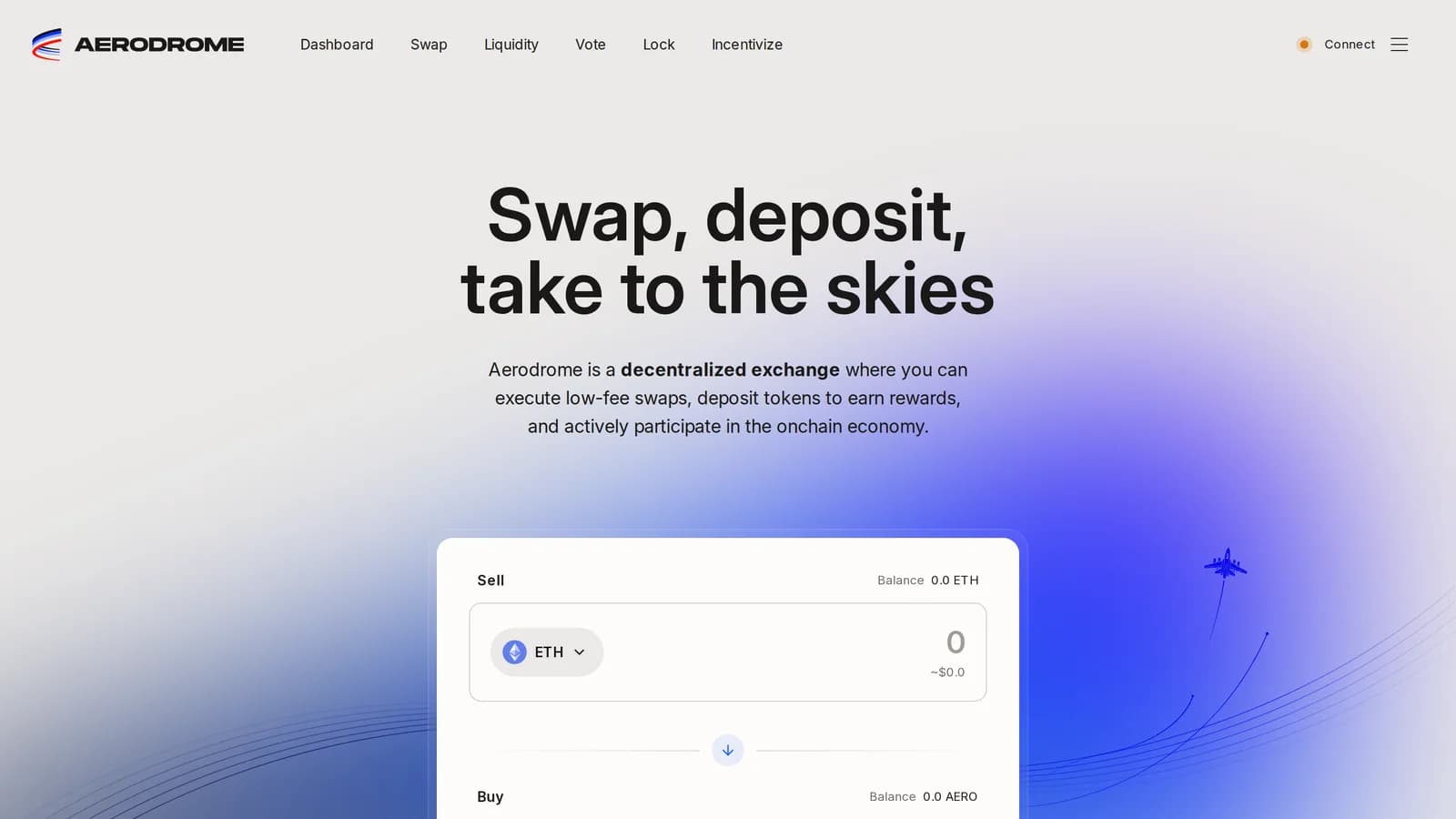
The dominant DEX on Base, running a vote-escrow emissions model that directs liquidity where token holders vote. It works, it is transparent, and it means the yield you see is a governance outcome rather than a market rate.
- Best for
- Liquidity provision and swaps on Base
- Cost
- 0.02–0.30% depending on pool type
What works
- Deepest liquidity on Base across both stable and volatile pairs
- Slipstream concentrated pools sit alongside classic ve(3,3) pools
- Emission direction is fully on-chain and auditable vote by vote
- Low Base gas makes active liquidity management genuinely practical
What does not
- Trading fees go to veAERO voters rather than to liquidity providers
- Yields depend on emissions and vote incentives, not organic volume
- Locking AERO for voting power is a four-year commitment at the maximum
- Concentrated in a single chain's ecosystem with all that implies
Aerodrome is the largest DEX on Base and the clearest live implementation of the ve(3,3) design. If you are providing liquidity on Base, you are almost certainly interacting with it. If you are only swapping, you probably arrived through an aggregator and never noticed the name.
The inversion at the centre of it
On a conventional AMM, traders pay a fee and liquidity providers receive it. That is the deal, and it is intuitive enough that most depositors never question it.
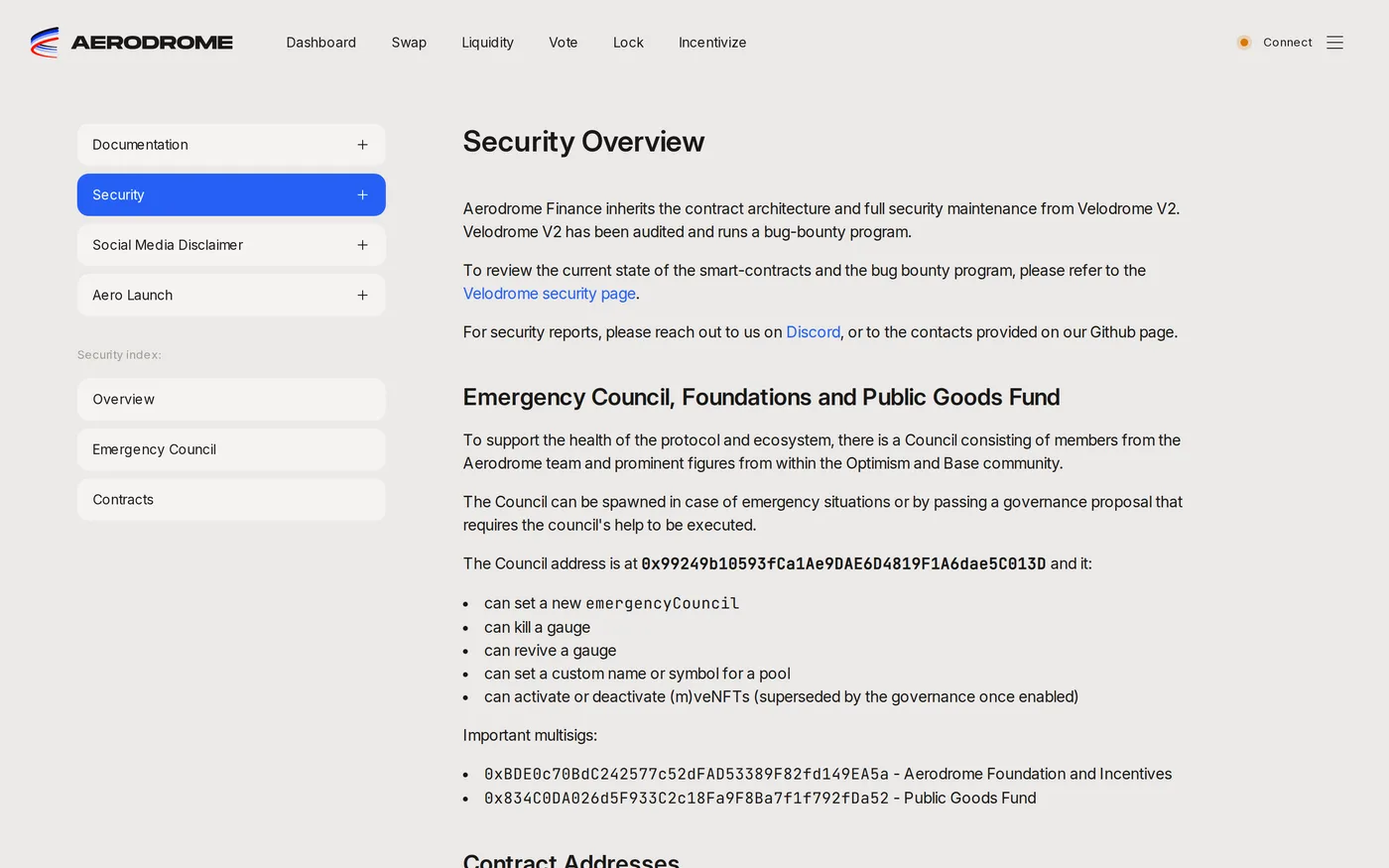
Aerodrome breaks that link. Trading fees from a pool go to the veAERO holders who voted for that pool's gauge. Liquidity providers are paid in AERO emissions instead. The protocol decides how much liquidity each pool gets by letting lockers vote where the emissions flow.
The logic is sound: it lets the protocol direct liquidity to where it is strategically needed rather than where it is already profitable, and it gives projects a mechanism to bootstrap a market by paying voters instead of subsidising LPs directly.
What that means for your yield
A pool's APR is a function of how many votes it attracted, not how much volume it does.
Your rewards arrive in AERO, so the realised yield depends on AERO's price across your holding period, not on the number shown at deposit.
When emissions rotate away from your pool after a vote, the yield can fall sharply within a single epoch and you will find out after the fact.
None of this is hidden — the votes are on-chain and the emission schedule is public. But a depositor comparing a 40% APR here against a 6% APR on a conventional AMM is comparing two different instruments denominated in two different things.
An emissions yield is a claim on a token. A fee yield is a claim on activity. Confusing the two is how people end up holding a governance token they never wanted to buy.
Slipstream
Concentrated liquidity pools sit alongside the classic ones, with the usual range mechanics. Base's low gas is what makes them practical: rebalancing a narrow range on Ethereum mainnet costs more than it earns for most position sizes, and here it does not, which changes which strategies are viable for a retail-sized position.
Locking
Voting power requires locking AERO, up to four years for the maximum weight. That is a long time to hold a single ecosystem's governance token, and the lock is not a deposit you can change your mind about — there is no early exit at any penalty.
For a protocol treasury that wants standing influence over Base liquidity, it is a rational position with a clear strategic purpose. For an individual chasing a vote-incentive yield, the lock duration is usually considerably longer than the thesis behind it.
Verdict
Why projects use it
For a project that needs liquidity for its token on Base, the ve(3,3) model is a cheaper mechanism than paying liquidity providers directly. You buy or borrow voting power, direct emissions to your pool, and the emissions do the work of attracting depositors.
That is a genuinely efficient market for liquidity, and it is why Aerodrome accumulated the position it has. It also means a pool's depth reflects a project's willingness to spend on incentives rather than organic demand for the pair — which is information you should read out of the TVL rather than into it.
Swapping here
As a pure execution venue for Base pairs it is good: deep on the majors, cheap gas, and a routing layer that handles the stable and volatile pool types sensibly. Most users reach it via an aggregator and never think about the emissions machinery at all, which is the correct level of engagement for somebody who just wants to swap.
The machinery matters only if you are depositing. If you are, read the gauge votes before you read the APR.
One structural caution worth stating plainly: Aerodrome's fortunes and Base's fortunes are the same variable. A protocol this dominant on a single chain has no diversification, and a sustained decline in Base activity would show up here first and hardest. That is fine for a swap and worth weighing before a four-year lock.
Score: 7.5. The best execution venue on Base and an unusually transparent implementation of a complicated incentive design. It scores where it does because the yields it advertises are governance outputs rather than trading revenue, and a lot of depositors do not realise they are being paid in a different currency than they think they are.